

When you purchase a Preowned vehicle, you’re making a smart investment. With the right care and attention, your vehicle can offer you many years of reliable service, regardless of whether it’s taken you 10,000 miles or 100,000 miles. Regular maintenance is key to keeping your vehicle in top shape, ensuring that it runs smoothly and efficiently. In this article, we’ll share our top 10 maintenance tips that will help you keep your Preowned vehicle running like new.
1. Regular Oil Changes
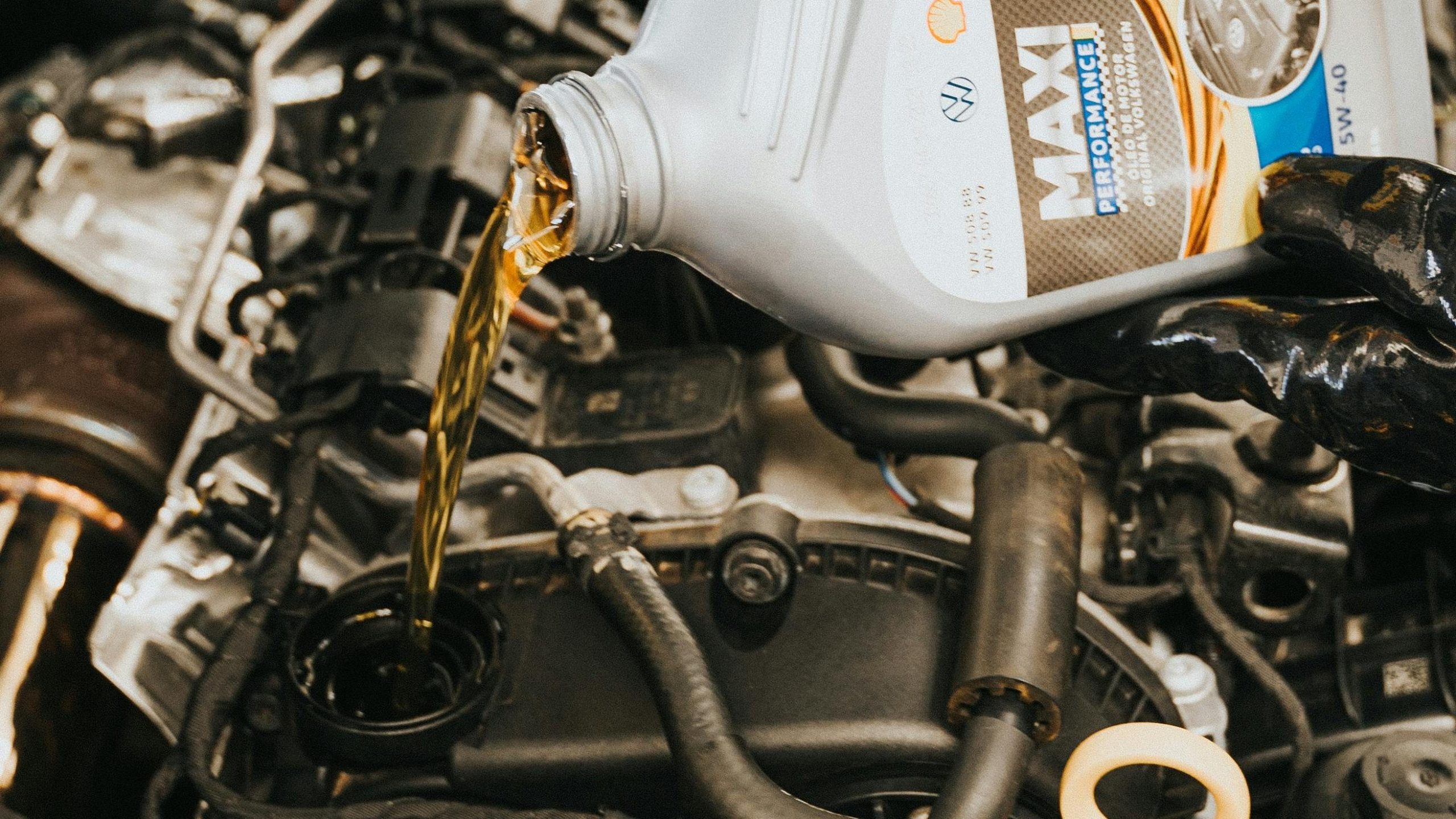
One of the most critical aspects of vehicle maintenance is ensuring that your engine oil is changed regularly. Oil lubricates the moving parts of your engine, reducing friction and preventing wear and tear. Over time, oil can become contaminated with dirt and debris, which can lead to engine damage. To keep your engine running smoothly, follow the manufacturer’s recommendations for oil change intervals—typically every 3,000 to 5,000 miles. Don’t forget to use the right type of oil for your vehicle, as specified in your owner’s manual.
2. Tire Maintenance
Your tires are the only part of your vehicle that touches the road, making them a vital component of your safety. Regular tire maintenance, including checking tire pressure, rotating tires, and ensuring proper alignment, can extend the life of your tires and improve your vehicle’s handling. Check your tire pressure monthly, as underinflated or overinflated tires can lead to uneven wear and reduced fuel efficiency. Additionally, rotate your tires every 6,000 to 8,000 miles to promote even tread wear.
3. Brake Inspections
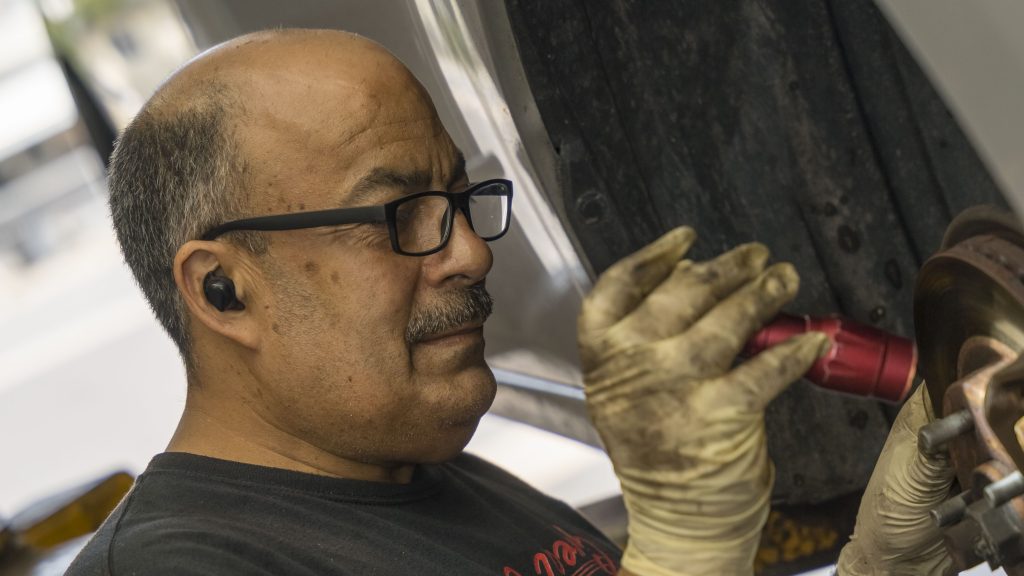
Brakes are one of the most important safety features on your vehicle. Regular brake inspections can help you identify potential issues before they become serious problems. If you notice squealing, grinding, or a spongy brake pedal, it’s time to have your brakes checked. Brake pads should be replaced when they reach the minimum thickness specified by the manufacturer. Ignoring brake issues can lead to longer stopping distances and even brake failure, so don’t delay in getting them serviced.
4. Battery Care
A healthy battery is essential for reliable vehicle operation. Extreme temperatures, both hot and cold, can affect battery performance and lifespan. To ensure your battery is in good condition, check it regularly for signs of corrosion, and clean the terminals if necessary. If your battery is more than three years old, consider having it tested to see if it needs replacement. A weak battery can leave you stranded, so it’s better to be proactive.
5. Fluid Checks
Your vehicle relies on various fluids to operate smoothly, including coolant, transmission fluid, brake fluid, and power steering fluid. Regularly checking and topping off these fluids is essential to prevent breakdowns and costly repairs. For example, low coolant levels can lead to engine overheating, while low brake fluid can compromise your ability to stop the vehicle. Follow the manufacturer’s recommendations for fluid change intervals and be sure to use the correct fluids for your vehicle.
6. Air Filter Replacement
The air filter in your vehicle prevents dirt and debris from entering the engine, which can lead to reduced performance and increased fuel consumption. Over time, the air filter can become clogged, restricting airflow and reducing engine efficiency. It’s a good idea to check your air filter every 12,000 to 15,000 miles and replace it if it appears dirty. A clean air filter can improve engine performance and fuel economy.
7. Transmission Maintenance
The transmission is responsible for transferring power from the engine to the wheels, making it a critical component of your vehicle. Regular transmission maintenance, including fluid changes and inspections, can help prevent costly repairs. Transmission fluid should be checked regularly and replaced according to the manufacturer’s recommendations—usually every 30,000 to 60,000 miles. If you notice any unusual noises or shifting problems, have your transmission inspected immediately.
8. Belts and Hoses
Belts and hoses play a vital role in the operation of your vehicle, powering various components like the alternator, water pump, and air conditioning. Over time, belts can become worn, cracked, or frayed, while hoses can develop leaks. Regular inspections of belts and hoses can help you identify signs of wear and prevent breakdowns. Replace any damaged belts or hoses to avoid costly repairs down the road.
9. Alignment and Suspension
Proper alignment and suspension are crucial for vehicle handling and comfort. If your vehicle pulls to one side, the steering wheel vibrates, or you notice uneven tire wear, it’s time to have your alignment and suspension checked. Misalignment can lead to increased tire wear and reduced fuel efficiency. Regular inspections and adjustments can help ensure a smooth and safe ride.
10. Regular Vehicle Inspections
Finally, one of the best ways to keep your Preowned vehicle running like new is to schedule regular inspections with a trusted mechanic. Professional inspections can catch potential issues before they become major problems, saving you time and money. At John’s Great Cars, our experienced technicians provide comprehensive inspections, ensuring that your vehicle is in top condition for every mile you drive.
Conclusion
Taking care of your Preowned vehicle is essential to ensure it remains reliable and efficient for years to come. By following these top 10 maintenance tips, you can keep your vehicle running like new and avoid costly repairs. At John’s Great Cars, we’re here to help you with all your maintenance needs. Schedule your next service appointment with us today by visiting www.johnsgreatcars.com/service or giving us a call at 610-898-4321.
Top 5 Questions to Ask When Buying a Used Car
Insights from John’s Great Cars

Hi, I’m John from John’s Great Cars, and I’m here to help you navigate the process of buying a used car. I know it can feel overwhelming, but asking the right questions can make all the difference. Below are the top five questions I recommend asking to ensure you’re making the best possible decision when purchasing a used vehicle.
1. How Can I Obtain a Vehicle History Report?
The first thing I advise all my customers to do is to get a vehicle history report. This report gives you critical information about the car’s past, including any accidents, previous owners, and maintenance history. At John’s Great Cars, we provide a free Carfax report with every vehicle in our inventory, so you can shop with confidence knowing exactly what you’re getting.
A vehicle history report is essential because it helps you avoid potential problems that might not be immediately apparent. For example, a car with a history of multiple owners or serious accidents might require more maintenance or have underlying issues that could cost you down the road.
2. How Do I Determine the Fair Market Value of a Used Car?
Understanding the fair market value of a used car is crucial when making a purchase. Tools like Kelley Blue Book and Edmunds are excellent for determining whether the price you’re being offered is fair. You can enter details such as the make, model, year, and mileage to get an accurate price range.
At John’s Great Cars, we price our vehicles competitively to ensure you’re getting the best deal possible. But I still encourage you to do your research using these tools. It’s also a good idea to check out our inventory online to compare prices and see what we have to offer. Knowing the fair market value puts you in a stronger position to negotiate and helps ensure you’re getting a good deal.
3. What Financing Options Are Available for Used Cars?
Financing is one of the most important aspects of buying a car, and knowing your options can make the process smoother. Whether you’re financing through a dealership, bank, or credit union, it’s important to understand the terms and conditions of your loan.
At John’s Great Cars, we offer a variety of financing options to fit your needs. You can even apply for financing online to get pre-approved before you visit us. This not only saves you time but also helps you set a clear budget, making the car-buying process much more straightforward.
4. What Should I Check During a Pre-Purchase Inspection?
I always recommend a pre-purchase inspection, even though we thoroughly inspect every vehicle on our lot. This step is crucial for identifying any potential issues that might not be immediately visible. At John’s Great Cars, we want you to drive away with confidence, knowing your car is in great condition.
If you’re buying from a private seller or another dealership, make sure to check the basics: engine condition, transmission, brakes, tires, and the electrical system. A professional mechanic can provide a thorough inspection and help you avoid costly repairs in the future.
5. What Are the Benefits of Certified Pre-Owned (CPO) Vehicles?
Certified Pre-Owned (CPO) vehicles are an excellent option if you’re looking for the reliability of a new car at a lower price. CPO vehicles at John’s Great Cars go through a rigorous inspection process and come with extended warranties, giving you extra peace of mind.
Many of my customers appreciate the added security of a CPO vehicle. It’s like getting the best of both worlds: a well-maintained, thoroughly inspected vehicle with the backing of a warranty, all at a price that’s more affordable than a brand-new car. You can explore our CPO inventory online to see what we currently have available.
Conclusion
Buying a used car is a big decision, but with the right questions in mind, you can ensure you’re making a smart choice. At John’s Great Cars, we’re here to guide you every step of the way, from understanding the vehicle’s history to finding the best financing options. Be sure to check out our inventory and apply for financing today to get started on your journey to finding the perfect used car.
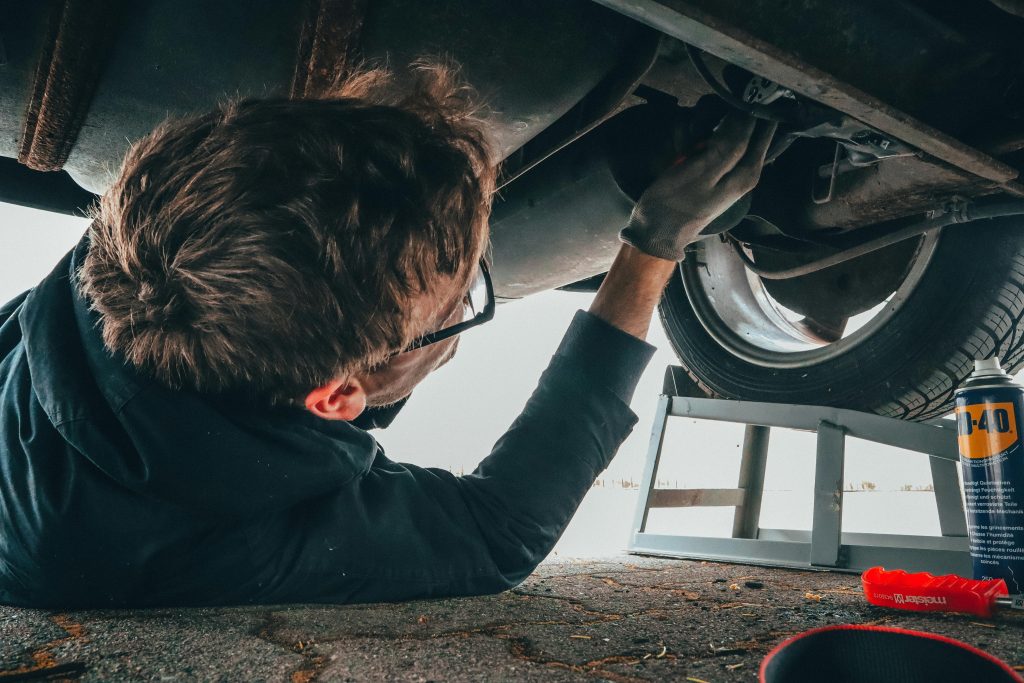
Maintaining your car is crucial for its longevity, performance, and safety. Regular maintenance can prevent costly repairs, improve fuel efficiency, and keep your vehicle running smoothly. Here are seven essential car maintenance tips to help you stay on top of things:
1. Regular Oil Changes
Oil lubricates the engine’s moving parts, reduces friction, and keeps the engine cool. Change the oil every 3,000 to 5,000 miles to prevent engine wear and improve fuel efficiency. Check your owner’s manual for specific guidelines.
2. Check Tire Pressure and Tread
Properly inflated tires ensure safe driving and optimal fuel efficiency. Check your tire pressure monthly and keep it at the recommended level. Inspect tread depth to ensure adequate grip and rotate your tires every 6,000 to 8,000 miles.
3. Inspect and Replace Fluids
Check essential fluids like brake fluid, transmission fluid, coolant, and power steering fluid regularly. Low or dirty fluids can lead to poor performance and potential damage. Refer to your owner’s manual for recommended fluid change intervals.
4. Monitor Brake Health
Inspect your brakes for unusual noises or changes in performance. Worn brake pads or rotors can compromise safety. If you notice issues, have your brakes inspected immediately to prevent costly repairs.
5. Maintain the Battery
Check battery terminals for corrosion and ensure they are tightly connected. Have your battery tested annually, especially if it’s more than three years old, to prevent starting issues.
6. Replace Air Filters
Air filters prevent dirt and debris from entering your engine and cabin. Check and replace engine and cabin air filters every 12,000 to 15,000 miles to improve performance and air quality.
7. Follow the Manufacturer’s Maintenance Schedule
Adhere to your car’s maintenance schedule provided in the owner’s manual. This includes recommended services like oil changes and fluid replacements at specific mileage intervals.
For professional car maintenance and services in Reading, PA, visit John’s Great Service Center. We offer thorough inspections, expert advice, and quality service to keep your car running smoothly and efficiently.
By following these tips and relying on trusted professionals like John’s Great Service Center, you can ensure your vehicle stays in top condition for years to come.
Top 5 Best Used Car Manufacturers: A Buyer’s Guide for Reliable Vehicles in Reading, PA

Are you considering buying a used car in Reading, PA, and want to know which manufacturers offer the best quality and reliability? You’re in the right place! In this guide, we’ll dive into the top 5 best used car manufacturers known for producing reliable, high-quality vehicles that hold their value over time.
1. Toyota
Why Toyota? Toyota is famous for its exceptional build quality, reliability, and longevity. Popular models like the Corolla, Camry, and RAV4 are top choices among used car buyers in Reading. These cars are known for their durability, low maintenance costs, and excellent resale value.
Popular Models to Consider:
- Toyota Corolla
- Toyota Camry
- Toyota RAV4
2. Honda
Why Honda? Honda vehicles, such as the Civic, Accord, and CR-V, are known for their solid construction, comfortable ride, and strong resale value. With a reputation for longevity and low ownership costs, Honda is a brand you can trust.
Popular Models to Consider:
- Honda Civic
- Honda Accord
- Honda CR-V
3. Lexus
Why Lexus? Lexus, Toyota’s luxury division, offers a premium driving experience with models like the RX, ES, and IS. These cars are known for their smooth performance and impeccable build quality, making them a great choice for those seeking luxury and reliability.
Popular Models to Consider:
- Lexus RX
- Lexus ES
- Lexus IS
4. Subaru
Why Subaru? Subaru vehicles, like the Outback, Forester, and Impreza, are perfect for various driving conditions in Reading, PA. With a focus on durability and performance, Subaru is a great option for buyers who value versatility and safety.
Popular Models to Consider:
- Subaru Outback
- Subaru Forester
- Subaru Impreza
5. Mazda
Why Mazda? Mazda vehicles offer a great balance of performance and efficiency with models like the Mazda3, Mazda6, and CX-5. Known for their stylish design and engaging driving dynamics, Mazda cars are a compelling choice for those seeking a more enjoyable driving experience.
Popular Models to Consider:
- Mazda3
- Mazda6
- Mazda CX-5
Conclusion
When it comes to buying a used car in Reading, PA, choosing a reputable manufacturer is key. Toyota, Honda, Lexus, Subaru, and Mazda are all top contenders known for producing reliable, high-quality vehicles that offer excellent value. By considering your needs, budget, and preferences, you can find the perfect used car from one of these trusted manufacturers.
If you need more information or assistance, feel free to reach out. Happy car hunting in Reading, PA!
In today’s fast-paced world, owning a car has become a necessity rather than a luxury. As the prices of brand new vehicles continue to rise, many individuals are turning to the used car market to find their ideal ride. Purchasing a used car presents an excellent opportunity to save money while still securing a reliable vehicle. However, it’s crucial to approach the process with caution to ensure a wise investment. Here’s our comprehensive guide to buying a used car, covering everything from research to negotiation.
- Research: Before visiting a dealership, conduct thorough research on the make and model of the car you’re interested in. Consider factors such as reliability, fuel efficiency, and maintenance costs. Websites like Edmunds and Kelley Blue Book provide valuable pricing insights and reviews from both experts and owners.
- Check the Dealer’s Reputation: Not all dealerships are equal, so it’s vital to select one with a reputable track record. Look for dealerships with positive reviews and ratings from past customers. John’s Great Cars has over 1,000 Google reviews, with a 4.9/5 rating!
- Vehicle Inspection: When you’ve identified a potential car, meticulously inspect it inside and out. Look for signs of wear and tear, including dents, scratches, and rust. Assess the mileage and inspect the interior for damage or unusual odors. If possible, take the car for a test drive to evaluate its on-road performance.
- Review the Vehicle History Report: Request a comprehensive vehicle history report to gain insight into the car’s past. This report will uncover crucial information such as accidents, title issues, and service records. Avoid vehicles with a history of significant damage or recurring mechanical issues. At John’s Great Cars, we offer comprehensive CARFAX reports on all our vehicles.
- Understand Financing Options: Before discussing financing with the dealer, research your financing options independently. Explore rates and terms from banks, credit unions, and online lenders to determine the best fit for your situation. Having a pre-approved loan provides leverage when negotiating with the dealer. Of course, we offer financing options from a variety of lenders to accommodate most financial situations.
- Negotiate the Price: Don’t hesitate to negotiate the car’s price. Utilize your research and vehicle history report to make a fair offer based on the car’s condition and market value. Be prepared to walk away if the dealer is unwilling to meet your price.
- Review the Contract Thoroughly: Before signing any paperwork, carefully review the terms of the sale. Ensure that all verbal agreements are documented and that you understand the warranty terms, if applicable. Scrutinize any additional fees or add-ons and seek clarification on anything ambiguous.
By following these expert tips, you can navigate the process of purchasing a preowned vehicle from a dealer with confidence. Remember to conduct thorough research, inspect the car meticulously, and negotiate effectively to secure the best possible deal. With patience and diligence, you’ll soon be driving off the lot in your dream car!”

Researching your next vehicle is a critical step in the process of buying a preowned vehicle from a dealer. It lays the foundation for a well-informed decision and ensures that you find a car that meets your needs and budget. Here’s why step one is so crucial:
1. Informed Decision-Making: Research empowers you to make informed decisions about the make and model of the car you’re interested in. By thoroughly researching various options, you can identify vehicles that offer the best combination of reliability, fuel efficiency, and maintenance costs. Websites like Edmunds and Kelley Blue Book provide valuable insights into pricing trends and expert reviews, helping you narrow down your choices.
2. Understanding Market Value: Researching the market value of the car you’re interested in gives you a competitive edge when negotiating with dealers. By knowing the average selling price for similar vehicles in your area, you can avoid overpaying and ensure that you’re getting a fair deal. Additionally, understanding market trends can help you determine the best time to buy, potentially saving you even more money.
3. Identifying Red Flags: Researching a vehicle’s history can help you identify any red flags that may indicate potential issues. By requesting a vehicle history report, you can uncover important information such as accidents, title issues, and service records. Avoiding cars with a history of significant damage or recurring mechanical problems can save you from costly repairs down the road.
4. Personalization: Research allows you to personalize your search based on your specific needs and preferences. Whether you prioritize safety features, technology upgrades, or fuel efficiency, conducting thorough research ensures that you find a car that aligns with your priorities.
5. Confidence in Decision-Making: Finally, thorough research instills confidence in your decision-making process. By arming yourself with knowledge, you can approach dealerships with confidence, knowing that you’ve done your homework and are prepared to make a smart investment.
In conclusion, researching your next vehicle is a crucial step in the process of buying a preowned car from a dealer. It allows you to make informed decisions, understand market value, identify red flags, personalize your search, and approach the buying process with confidence. By dedicating time to research, you can ensure that you find the perfect car for your needs and budget.
Connect with us

