

When you purchase a Preowned vehicle, you’re making a smart investment. With the right care and attention, your vehicle can offer you many years of reliable service, regardless of whether it’s taken you 10,000 miles or 100,000 miles. Regular maintenance is key to keeping your vehicle in top shape, ensuring that it runs smoothly and efficiently. In this article, we’ll share our top 10 maintenance tips that will help you keep your Preowned vehicle running like new.
1. Regular Oil Changes
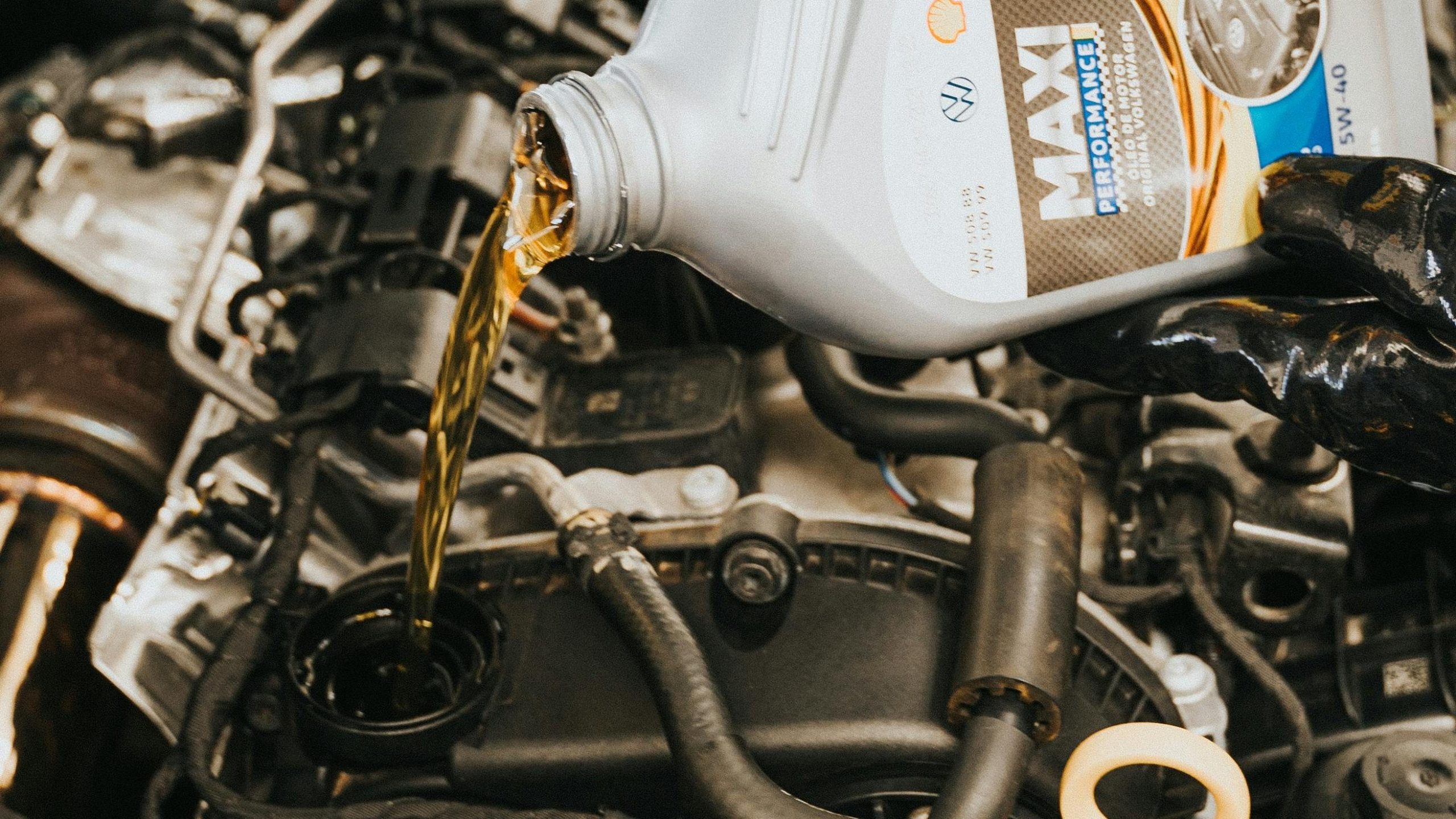
One of the most critical aspects of vehicle maintenance is ensuring that your engine oil is changed regularly. Oil lubricates the moving parts of your engine, reducing friction and preventing wear and tear. Over time, oil can become contaminated with dirt and debris, which can lead to engine damage. To keep your engine running smoothly, follow the manufacturer’s recommendations for oil change intervals—typically every 3,000 to 5,000 miles. Don’t forget to use the right type of oil for your vehicle, as specified in your owner’s manual.
2. Tire Maintenance
Your tires are the only part of your vehicle that touches the road, making them a vital component of your safety. Regular tire maintenance, including checking tire pressure, rotating tires, and ensuring proper alignment, can extend the life of your tires and improve your vehicle’s handling. Check your tire pressure monthly, as underinflated or overinflated tires can lead to uneven wear and reduced fuel efficiency. Additionally, rotate your tires every 6,000 to 8,000 miles to promote even tread wear.
3. Brake Inspections
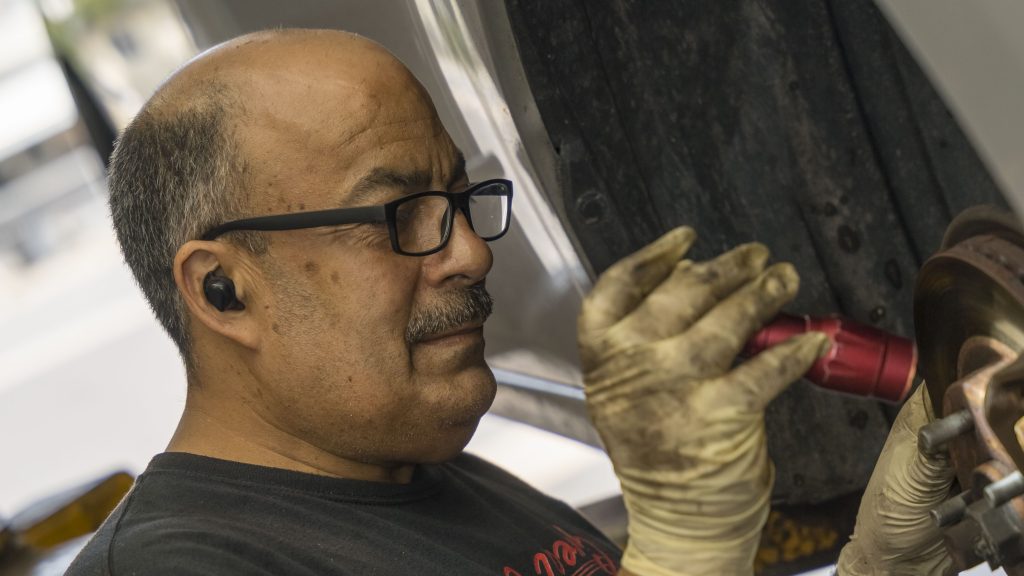
Brakes are one of the most important safety features on your vehicle. Regular brake inspections can help you identify potential issues before they become serious problems. If you notice squealing, grinding, or a spongy brake pedal, it’s time to have your brakes checked. Brake pads should be replaced when they reach the minimum thickness specified by the manufacturer. Ignoring brake issues can lead to longer stopping distances and even brake failure, so don’t delay in getting them serviced.
4. Battery Care
A healthy battery is essential for reliable vehicle operation. Extreme temperatures, both hot and cold, can affect battery performance and lifespan. To ensure your battery is in good condition, check it regularly for signs of corrosion, and clean the terminals if necessary. If your battery is more than three years old, consider having it tested to see if it needs replacement. A weak battery can leave you stranded, so it’s better to be proactive.
5. Fluid Checks
Your vehicle relies on various fluids to operate smoothly, including coolant, transmission fluid, brake fluid, and power steering fluid. Regularly checking and topping off these fluids is essential to prevent breakdowns and costly repairs. For example, low coolant levels can lead to engine overheating, while low brake fluid can compromise your ability to stop the vehicle. Follow the manufacturer’s recommendations for fluid change intervals and be sure to use the correct fluids for your vehicle.
6. Air Filter Replacement
The air filter in your vehicle prevents dirt and debris from entering the engine, which can lead to reduced performance and increased fuel consumption. Over time, the air filter can become clogged, restricting airflow and reducing engine efficiency. It’s a good idea to check your air filter every 12,000 to 15,000 miles and replace it if it appears dirty. A clean air filter can improve engine performance and fuel economy.
7. Transmission Maintenance
The transmission is responsible for transferring power from the engine to the wheels, making it a critical component of your vehicle. Regular transmission maintenance, including fluid changes and inspections, can help prevent costly repairs. Transmission fluid should be checked regularly and replaced according to the manufacturer’s recommendations—usually every 30,000 to 60,000 miles. If you notice any unusual noises or shifting problems, have your transmission inspected immediately.
8. Belts and Hoses
Belts and hoses play a vital role in the operation of your vehicle, powering various components like the alternator, water pump, and air conditioning. Over time, belts can become worn, cracked, or frayed, while hoses can develop leaks. Regular inspections of belts and hoses can help you identify signs of wear and prevent breakdowns. Replace any damaged belts or hoses to avoid costly repairs down the road.
9. Alignment and Suspension
Proper alignment and suspension are crucial for vehicle handling and comfort. If your vehicle pulls to one side, the steering wheel vibrates, or you notice uneven tire wear, it’s time to have your alignment and suspension checked. Misalignment can lead to increased tire wear and reduced fuel efficiency. Regular inspections and adjustments can help ensure a smooth and safe ride.
10. Regular Vehicle Inspections
Finally, one of the best ways to keep your Preowned vehicle running like new is to schedule regular inspections with a trusted mechanic. Professional inspections can catch potential issues before they become major problems, saving you time and money. At John’s Great Cars, our experienced technicians provide comprehensive inspections, ensuring that your vehicle is in top condition for every mile you drive.
Conclusion
Taking care of your Preowned vehicle is essential to ensure it remains reliable and efficient for years to come. By following these top 10 maintenance tips, you can keep your vehicle running like new and avoid costly repairs. At John’s Great Cars, we’re here to help you with all your maintenance needs. Schedule your next service appointment with us today by visiting www.johnsgreatcars.com/service or giving us a call at 610-898-4321.
Connect with us

